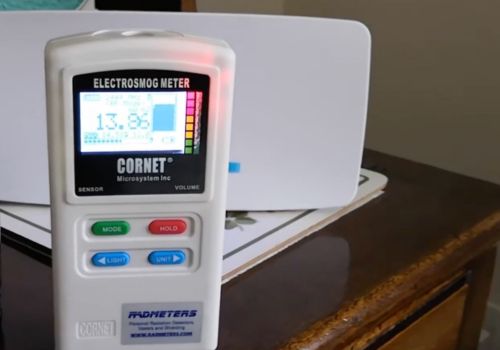
After testing dozens of EMF protection products over the past eight years, I’ve learned that understanding what Faraday fabric is made of helps families make smarter decisions about electromagnetic field protection. Whether you’re considering EMF-blocking clothing or protective bed canopies, knowing the materials and how they work is essential for choosing effective protection.
Faraday fabric isn’t a single material – it’s a category of textiles that incorporate conductive metals to block electromagnetic radiation. The specific metals and construction methods determine how well the fabric shields against different types of EMF. Let me break down exactly what goes into these specialized textiles and what makes them effective.
The Basic Science Behind Faraday Fabric
Before diving into the specific materials, it’s helpful to understand why Faraday fabric works. The concept comes from Michael Faraday’s discovery in the 1830s that a conductive enclosure blocks external electromagnetic fields.
Faraday fabric applies this principle by weaving or coating conductive metals into textile fibers. When electromagnetic waves hit these conductive materials, they’re either reflected away or absorbed and dissipated as harmless heat. The fabric essentially creates a barrier that prevents RF radiation and electromagnetic fields from passing through.
The effectiveness of any Faraday fabric depends on three main factors: the type of conductive metal used, how densely the metal is integrated into the fabric, and the overall construction method. Different metals and construction techniques offer varying levels of protection against specific types of electromagnetic radiation.
Silver: The Premium Conductive Metal
Silver is one of the most common and effective materials used in Faraday fabrics. It’s prized for its exceptional conductivity – in fact, silver is the most conductive element on Earth, making it ideal for blocking electromagnetic radiation.
How Silver Is Incorporated
Silver-based Faraday fabrics typically use one of two methods. The first involves coating regular textile fibers (usually nylon or polyester) with pure silver, creating a metallic layer on the fiber’s surface. The second method weaves pure silver threads directly into the fabric alongside non-conductive fibers.
High-quality silver Faraday fabrics often contain 99% pure silver in their conductive components. The silver creates a dense mesh that effectively blocks radiofrequency radiation across a wide range of frequencies, from low MHz ranges up to several GHz.
Advantages of Silver-Based Fabrics
Silver offers several benefits beyond just conductivity. It has natural antimicrobial properties, which makes silver-based fabrics particularly suitable for clothing and bedding where they’ll contact skin regularly. This antimicrobial quality helps prevent odor buildup and bacterial growth.
Silver fabrics also tend to be more comfortable and flexible than other options. They can be woven into soft, elastic materials that feel similar to regular clothing while still providing excellent shielding effectiveness. This makes silver ideal and is used by HAVN’s (formerly Lambs EMF protection clothing.
Limitations to Consider
The main drawback of silver-based Faraday fabric is cost. Silver is an expensive metal, which makes these fabrics pricier than alternatives. Additionally, silver can tarnish over time when exposed to air and certain chemicals, potentially reducing effectiveness if not properly cared for.
Some manufacturers add anti-tarnish coatings to silver fabrics to extend their lifespan, but these coatings require careful washing and handling to maintain their protective properties.
Copper and Nickel Blend: The Military-Grade Option
Many high-performance Faraday fabrics use a combination of copper and nickel. This blend has become popular for applications requiring robust, long-lasting EMF protection, and it’s commonly specified for military and law enforcement use.
Understanding Copper-Nickel Composition
Copper-nickel Faraday fabrics typically contain metallic copper and nickel coated onto or woven into a base material like polyester or nylon. A common composition is approximately 20-25% copper, 10-15% nickel, and the remainder being the base textile fiber.
The copper provides excellent conductivity similar to silver but at a lower cost. The nickel adds durability and corrosion resistance, creating a fabric that maintains its shielding effectiveness even with regular use and environmental exposure.
Shielding Performance
Copper-nickel fabrics excel at blocking a wide range of frequencies. Quality copper-nickel Faraday fabrics can achieve 80-90 dB of attenuation from low kHz ranges up to 40 GHz or higher. This means they’re effective against everything from extremely low-frequency electromagnetic fields to the highest 5G frequencies currently in use.
The surface resistance of copper-nickel fabrics is typically around 0.05 Ohms per square, indicating excellent conductivity throughout the material. This low resistance ensures consistent shielding across the entire fabric.
Practical Considerations
Copper-nickel fabrics are generally more durable and cost-effective than pure silver options. They hold up well to cutting, sewing, and repeated use, making them popular for DIY projects and commercial applications.
However, some people experience skin sensitivity to nickel. For this reason, copper-nickel Faraday fabrics are often recommended for applications where the fabric won’t contact skin directly, or with a barrier layer between the fabric and skin.
Stainless Steel Mesh: The Durable Alternative
Stainless steel represents another approach to creating conductive Faraday fabric. Rather than coating fibers, stainless steel fabrics typically weave thin steel threads into a mesh or knit pattern.
Construction and Properties
Stainless steel Faraday fabrics use very fine stainless steel fibers woven together to create a conductive mesh. The steel provides good conductivity while being extremely durable and resistant to corrosion and environmental degradation.
These fabrics tend to be stiffer and less flexible than silver or copper-nickel options, but they offer excellent longevity and require minimal maintenance. The stainless steel won’t tarnish or corrode, maintaining consistent shielding effectiveness over many years.
Best Applications
Stainless steel fabrics work well for stationary applications like window coverings, wall shielding, or grounding products. They’re less common in clothing due to their stiffer feel, but they excel in situations requiring long-term durability and minimal maintenance.
The electromagnetic shielding effectiveness of stainless steel fabrics varies based on the mesh density and fiber thickness, but quality options can provide significant protection across a broad frequency range.
Base Materials: The Foundation Layer
While the conductive metals get most of the attention, the base textile material plays an important role in Faraday fabric performance and usability.
Common Base Materials
Most Faraday fabrics use polyester or nylon as their base material. These synthetic fibers offer several advantages – they’re strong, lightweight, resistant to wear, and accept metallic coatings well. Polyester in particular is common because it’s dimensionally stable and maintains its shape even when the conductive coating is applied.
Some specialized Faraday fabrics use cotton or cotton blends as base materials, particularly for products designed for skin contact. Cotton provides better breathability and comfort, though it may not be as durable as synthetic options.
How Base Material Affects Performance
The base material influences several aspects of the final fabric. Its weave pattern affects how densely the conductive metal can be integrated – a tighter weave generally allows for better metal coverage and more effective shielding.
The base material also determines the fabric’s physical properties like flexibility, breathability, and durability. Quality EMF-shielding fabrics balance effective metal integration with practical wearability and longevity.
Construction Methods: How It All Comes Together
The way conductive metals are integrated into the base fabric significantly impacts the final product’s effectiveness and characteristics.
Coating vs. Weaving
Two primary methods exist for creating Faraday fabrics. Coating involves applying metallic particles or layers onto the surface of existing textile fibers. This creates a conductive surface that blocks electromagnetic radiation.
Weaving incorporates conductive metal threads directly into the fabric structure alongside non-conductive fibers. This approach typically creates more durable fabrics since the metal is integral to the structure rather than just a surface coating.
Fabric Weave Patterns
The weave pattern affects shielding effectiveness. Plain weave creates a simple over-under pattern that’s strong and provides consistent coverage. Ripstop weave incorporates reinforcement threads that prevent tears from spreading, creating more durable fabrics for heavy-use applications.
Knit constructions create stretchable Faraday fabrics that work well for clothing. These use elastic materials combined with conductive threads to maintain shielding effectiveness even when the fabric is stretched.
Measuring Shielding Effectiveness
Understanding the specifications helps evaluate whether a particular Faraday fabric will meet your needs.
Key Performance Metrics
Shielding effectiveness is typically measured in decibels (dB) of attenuation across specific frequency ranges. Higher dB numbers indicate better blocking capability. For reference, 20 dB represents blocking about 99% of radiation, while 40 dB blocks about 99.99%.
Surface resistance, measured in Ohms per square, indicates how well the fabric conducts electricity across its surface. Lower numbers mean better conductivity and generally better shielding. Quality Faraday fabrics typically have surface resistance below 1 Ohm per square.
Frequency Range Coverage
Different applications require protection against different frequency ranges. Low-frequency EMF from power lines operates at 50-60 Hz, while WiFi and Bluetooth use 2.4-5 GHz, and 5G can reach up to 40 GHz or higher.
The best Faraday fabrics provide consistent shielding across a broad frequency spectrum, from extremely low frequencies up through microwave ranges. This ensures protection against multiple EMF sources simultaneously.
Practical Considerations for Different Applications
The ideal Faraday fabric material depends on how you plan to use it.
For Wearable Protection
Clothing requires fabrics that are comfortable, flexible, and safe for extended skin contact. Silver-based fabrics excel here due to their softness, antimicrobial properties, and effectiveness. Many premium EMF protection clothing lines use silver-nylon blends that feel like regular athletic wear while providing substantial protection.
Copper-nickel fabrics can also work for clothing if they include a liner to prevent nickel contact with skin, or if they’re used in accessories like hats or bags rather than garments worn directly against skin.
For Home Shielding
Home applications like bed canopies, curtains, or wall coverings can use more robust materials since comfort and flexibility are less critical. Copper-nickel fabrics offer excellent performance at reasonable cost for these applications.
Stainless steel mesh works well for windows or grounding applications where long-term durability matters more than flexibility. The key is choosing materials that provide adequate shielding while fitting your specific installation requirements.
For DIY Projects
If you’re creating your own EMF protection solutions, consider how easy the fabric is to work with. Silver and copper-nickel fabrics can typically be cut with regular fabric scissors and sewn with standard sewing machines using appropriate needles.
Stainless steel mesh may require specialized cutting tools and can be more challenging to sew, but it offers excellent durability for projects that don’t require much flexibility.
Care and Maintenance
Proper care extends the life and effectiveness of Faraday fabrics.
Washing Guidelines
Most Faraday fabrics require gentle care to maintain their conductive properties. Hand washing or using delicate machine cycles with mild detergent helps prevent damage to the metallic components.
Avoid bleach and fabric softeners, which can damage conductive coatings. Some fabrics, particularly those with surface coatings, may have specific care instructions about water temperature and drying methods.
Storage and Handling
Store Faraday fabrics in dry environments away from chemicals that might cause corrosion. For fabrics containing nickel, wearing gloves during handling prevents skin reactions in sensitive individuals and keeps oils from your skin off the fabric.
Regular inspection helps catch any damage to the conductive layer early. Small holes or worn spots can reduce shielding effectiveness, so addressing them promptly maintains optimal protection.
Making Informed Choices
Understanding Faraday fabric materials helps you select products that match your specific needs and budget.
Quality Indicators
Look for fabrics with documented testing results showing shielding effectiveness across relevant frequency ranges. Reputable manufacturers provide lab test reports certified to standards like MIL-STD-188-125 or IEEE 299-2006.
Surface resistance specifications indicate conductivity quality – lower numbers generally mean better performance. Fabrics should also clearly state their metal content and composition so you can assess durability and potential skin sensitivity issues.
Balancing Cost and Performance
Silver fabrics typically cost more but offer superior comfort for wearables. Copper-nickel blends provide excellent performance at moderate cost for most applications. Stainless steel represents the most economical option for stationary installations where flexibility isn’t required.
Consider your specific protection goals when evaluating cost. Sometimes spending more on higher-quality materials provides better long-term value through improved effectiveness and durability.
The Bottom Line on Faraday Fabric Materials
Faraday fabrics use conductive metals – primarily silver, copper-nickel blends, or stainless steel – integrated into textile base materials to create barriers against electromagnetic radiation. Each metal type offers distinct advantages in terms of conductivity, durability, comfort, and cost.
Silver provides the best combination of effectiveness and wearability but at premium cost. Copper-nickel blends offer military-grade protection at more accessible prices. Stainless steel delivers maximum durability for permanent installations.
The construction method, base material, and weave pattern all influence the final fabric’s properties and performance. Understanding these factors helps you choose materials appropriate for your specific application, whether that’s comfortable daily-wear clothing, protective bedding, or robust home shielding.
Quality matters significantly with Faraday fabrics. Well-made materials from reputable manufacturers with documented testing provide reliable protection. Cheaper alternatives may use lower-quality metals or less effective construction methods that compromise shielding performance.
For most people starting with EMF protection, silver-based clothing and accessories offer the best balance of comfort and effectiveness for daily use, while copper-nickel fabrics work well for home applications like bed canopies or curtains. Understanding what these materials are made of helps you invest wisely in products that will actually protect your family.