Your phone is constantly broadcasting signals, even when you’re not using it. Cell towers, WiFi networks, Bluetooth devices, and GPS satellites are all tracking your location and potentially exposing your data to hackers. A Faraday bag creates a complete shield around your phone, blocking all wireless signals from getting in or out.
Whether you want protection from hackers, privacy from tracking, or a way to go truly off-grid, a quality Faraday bag is one of the simplest and most effective solutions available. I’ve tested the top options on the market to help you find the right one for your needs and budget.
Quick Picks
Best Overall: Silent Pocket SLNT Faraday Sleeve — Premium build quality with a magnetic closure and stylish leather design that doesn’t scream “prepper gear”
Best Budget: Simket Faraday Bags — Proven signal blocking at a fraction of the price, comes as a 2-pack
Best for Travel: DefenderShield ConcealShield — Multiple pockets for phone, passport, and cards with military-grade shielding
Best Faraday Bags for Phones Reviewed
These six bags range from budget-friendly to premium, but they all have one thing in common: they actually work. Here’s the breakdown.
1. Silent Pocket SLNT Faraday Leather Smartphone Sleeve
Silent Pocket has built a reputation as the premium choice in Faraday bags, and the SLNT leather sleeve shows why. The patented shielding technology has been independently tested and verified to block all wireless signals. Unlike cheaper bags that look obviously tactical, this one could pass as a regular leather phone case, making it ideal for everyday carry.
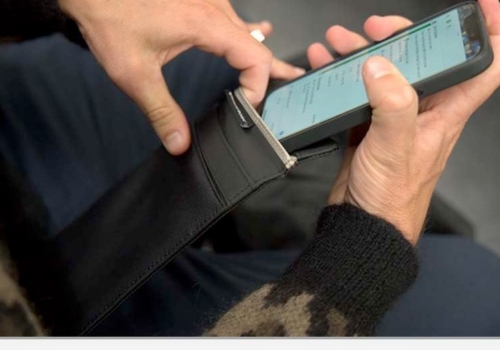
Key specs: Blocks cell, WiFi, Bluetooth, GPS, RFID, and NFC. Top-grain leather exterior. Magnetic closure. Fits phones up to 6.8″ displays.
The magnetic closure is a standout feature. There’s no loud velcro rip every time you access your phone, and the seal is secure enough to maintain signal blocking without any fuss. The leather exterior is durable and ages well, developing a nice patina over time.
This is the bag I recommend if you want something you’ll actually use daily. The combination of proven effectiveness, quality materials, and a design that doesn’t draw attention makes it worth the higher price. Government agencies and security professionals trust Silent Pocket for a reason.
Pros: Premium materials, magnetic closure, stylish design, proven effectiveness
Cons: Higher price point, leather requires some care
2. DefenderShield ConcealShield Faraday Pouch
The DefenderShield ConcealShield stands out because it’s designed for more than just your phone. Multiple pockets let you shield your phone, passport, credit cards, and IDs all in one pouch. For travelers concerned about RFID skimming and location tracking, this is the most practical all-in-one solution.
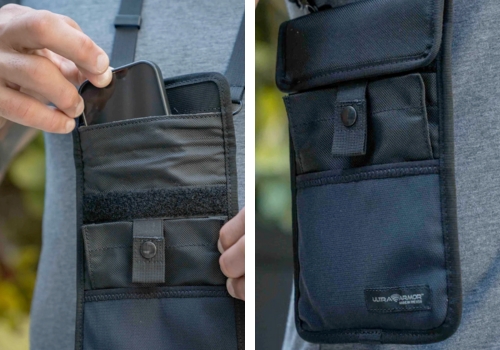
Key specs: Blocks cell, WiFi, Bluetooth, GPS, RFID, and NFC. Military-grade shielding fabric. Zippered with multiple compartments. Fits phone plus cards, passport, and IDs.
DefenderShield uses military-grade EMF shielding that completely blocks incoming and outgoing signals. I tested it by sharing my phone’s location, placing it in the pouch, and walking down the street. The location didn’t budge. Calls went straight to voicemail. Complete signal isolation.
The convenient strap makes it easy to carry, and the multiple compartments keep everything organized. If you travel frequently or want to protect more than just your phone, the ConcealShield offers the best combination of protection and functionality.
Pros: Multiple pockets for phone and cards, great for travel, convenient carry strap
Cons: Bulkier than single-phone sleeves, higher price
3. Faraday Defense Jacket Pro for Phones
The Faraday Defense Jacket Pro hits a sweet spot between the budget options and premium picks. The double-roll closure with velcro creates a tight seal that you can feel working as air squeezes out when you close it. This style of closure is preferred by many forensic professionals because it’s nearly impossible for signals to leak through.
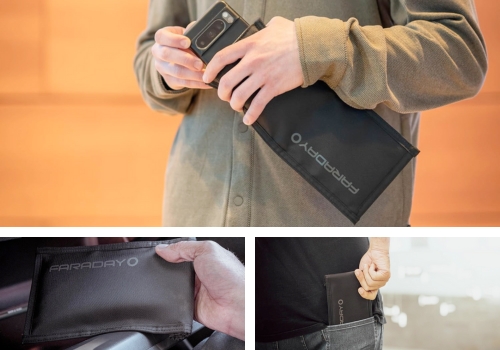
Key specs: Blocks cell, WiFi, Bluetooth, GPS, RFID, and NFC. Durable synthetic exterior. Double-roll velcro seal. Fits phones up to 6.5″ displays.
Build quality is solid without being overbuilt. The exterior holds up well to daily use, and the interior shielding has performed consistently in testing. It blocks the full spectrum of signals you’d expect, including newer 5G frequencies.
For most people who want reliable protection without paying premium prices, the Jacket Pro delivers. It’s not as sleek as the Silent Pocket or as feature-rich as the ConcealShield, but it does the core job well at a reasonable price.
Pros: Effective double-roll seal, good build quality, mid-range price
Cons: Velcro closure is louder than magnetic, basic design
4. OFFGRID Non-Window Faraday Bag for Phones
OFFGRID has been a trusted name in Faraday products for years, and their phone bag delivers straightforward, reliable protection. The ballistic nylon exterior is genuinely durable and water-resistant, so you don’t have to baby it. Toss it in your backpack, glove box, or gear bag without worrying about wear.
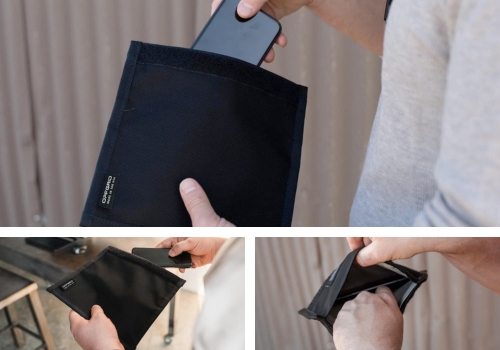
Key specs: Blocks cell, WiFi, Bluetooth, GPS, RFID, and NFC. Water-resistant ballistic nylon. Velcro seal. Fits phones up to 6.5″ displays.
The non-window design means complete shielding with no compromises. Some bags have clear windows to see your screen, but these can potentially allow some signal leakage. OFFGRID keeps it simple with full coverage on all sides.
Testing confirmed it blocks all the signals it claims to. No calls, no WiFi connection, no Bluetooth pairing, no GPS tracking. If you want a no-nonsense bag that just works without any frills, OFFGRID is a solid choice.
Pros: Durable ballistic nylon, water-resistant, reliable brand
Cons: Basic design, velcro closure
5. Simket Faraday Bags (2-Pack)
Here’s the truth about budget Faraday bags: most of them don’t actually work. Simket is one of the few inexpensive options that consistently passes signal-blocking tests. Independent reviewers have verified that these bags actually do what they claim, which is more than can be said for many cheap alternatives.
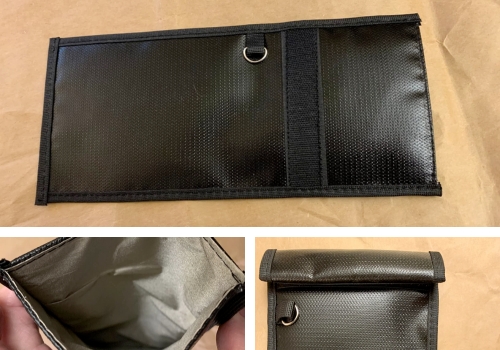
Key specs: Blocks cell, WiFi, Bluetooth, GPS, and RFID. Fabric with metallic shielding. Velcro closure. Fits phones up to 6.5″ displays. Includes 2 bags.
The build quality reflects the price. You’ll notice rougher seams and less refined construction compared to premium bags. They’re not designed for heavy daily use or harsh conditions. But for the price of one premium bag, you get two Simket bags that genuinely block signals.
These are ideal for backup devices, storing spare phones, or anyone who wants proven protection without a big investment. Keep one in your car and one at home. At this price point, the fact that they actually work makes them a standout value.
Pros: Actually works (verified by testing), 2-pack value, lowest price option
Cons: Basic construction, less durable than premium options
6. Lanpard Faraday Pouch
The Lanpard Faraday Pouch is another budget-friendly option for those who want basic signal blocking without spending much. It covers the essential signals and provides a simple, functional design that gets the job done.
Key specs: Blocks cell, WiFi, Bluetooth, GPS, and RFID. Synthetic fabric. Velcro closure. Fits standard smartphone sizes.
Like the Simket, this isn’t a bag you’d choose for premium aesthetics or rugged durability. The construction is basic and the materials are entry-level. But for casual use, storing a backup device, or trying out Faraday technology before investing in something nicer, it’s a reasonable starting point.
If you’re on a tight budget and need basic protection, the Lanpard will work. For regular daily use or situations where reliability really matters, consider stepping up to one of the mid-range or premium options.
Pros: Very affordable, functional signal blocking
Cons: Basic build quality, less proven than other budget options
What to Look for in a Faraday Bag
Not all Faraday bags are created equal. Cheap bags often fail to block signals effectively, while quality options use proven shielding technology. Here’s what matters when choosing one.
Signal Blocking Effectiveness
The whole point of a Faraday bag is blocking signals. Look for bags that specifically list which frequencies they block: cellular (including 4G LTE and 5G), WiFi (2.4GHz and 5GHz), Bluetooth, GPS, RFID, and NFC. Cheaper bags often claim to block signals but fail in real-world testing.
The best way to verify a bag works is to test it yourself. Put your phone inside, try to call it, and see if it rings. Check if your WiFi connection drops. Try to pair a Bluetooth device. If signals are getting through, the bag isn’t doing its job.
Closure Type
How the bag seals matters more than you might think. The closure is the most likely point for signal leakage.
Magnetic closures (like Silent Pocket) are convenient and quiet, with no velcro noise. They create a good seal but can potentially be opened accidentally.
Velcro closures are secure and inexpensive but loud when opening. Some people find this annoying for regular use.
Double-roll closures provide the most secure seal by folding the opening over twice before securing. This is what forensic professionals prefer for evidence bags.
Build Quality and Materials
If you’re using the bag daily, durability matters. Ballistic nylon and quality leather hold up well over time. Cheaper synthetic fabrics may wear out faster, especially at stress points like seams and closures.
Water resistance is a nice bonus for bags you’ll carry in various conditions.
Size and Fit
Make sure the bag fits your phone. Most bags list maximum phone dimensions or screen sizes they accommodate. A bag that’s too small won’t close properly, compromising the signal seal. A bag that’s much too large is unnecessarily bulky.
How to Test Your Faraday Bag
Don’t just trust marketing claims. Test your bag before relying on it:
- Cell signal test: Place your phone in the bag and call it from another phone. It should go straight to voicemail.
- WiFi test: Connect your phone to WiFi, put it in the bag, and check your router’s connected devices. Your phone should disappear from the list.
- Bluetooth test: Pair your phone with a Bluetooth speaker and play music. Put the phone in the bag. The music should stop and the connection should drop.
- GPS test: Share your location with another device, put your phone in the bag, and walk around. Your location should not update.
If your bag passes all four tests, it’s working properly.
Frequently Asked Questions
Here are the questions I get asked most often about Faraday bags for phones.
Do Faraday bags actually work?
Quality Faraday bags absolutely work. The technology is the same principle used in secure government facilities and forensic labs. However, not all bags are created equal. Cheap bags often fail to block signals effectively, which is why testing matters and why I recommend sticking with proven brands.
Will a Faraday bag drain my phone battery?
Your phone may use slightly more battery initially as it searches for signals it can’t find. Once it gives up searching, battery drain returns to normal or may even decrease since the phone isn’t maintaining network connections. Some people put their phone in airplane mode before placing it in the bag to minimize battery use.
Can I receive calls or texts while my phone is in a Faraday bag?
No. That’s the entire point. A properly functioning Faraday bag blocks all incoming and outgoing signals. Calls will go to voicemail and texts will be received once you remove the phone from the bag. If you can receive calls while the phone is in the bag, the bag isn’t working.
What’s the difference between a Faraday bag and airplane mode?
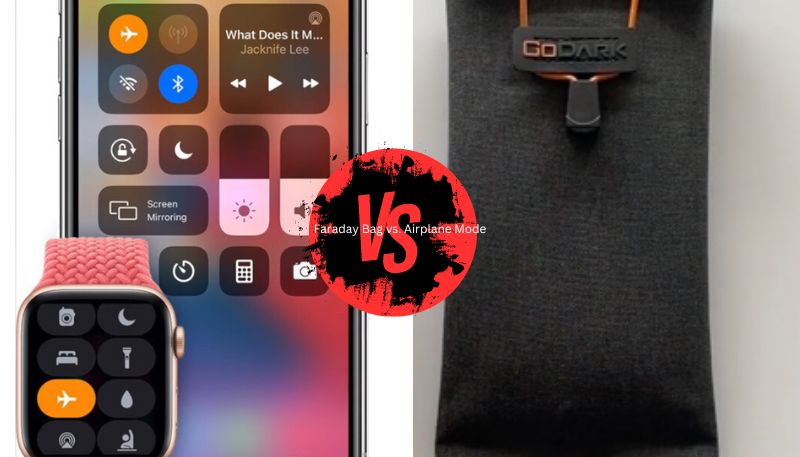
Airplane mode is a software setting that can be bypassed, either by apps running in the background or by fake “airplane mode” apps that hackers use. A Faraday bag is a physical barrier that blocks signals regardless of software settings. For true signal isolation, a Faraday bag is more reliable.
How long do Faraday bags last?
Quality bags last for years with normal use. The shielding material doesn’t wear out under typical conditions. The most common failure points are physical damage to the bag (tears, holes) or worn-out closures. Inspect your bag periodically and test it occasionally to ensure it’s still working.
Which Faraday Bag Should You Get?
After testing all of these options, here’s my honest take.
For most people who want something they’ll actually carry and use daily, the Silent Pocket SLNT is worth the extra money. The magnetic closure and leather design make it practical for everyday use, not just emergency prep.
If you’re watching your budget, grab the Simket 2-pack. These bags actually work, which puts them ahead of most cheap alternatives. You get two for less than the price of one premium bag.
Travelers should look at the DefenderShield ConcealShield. Being able to shield your phone, passport, and credit cards in one pouch makes it the most practical option for anyone crossing borders or moving through airports.
Whichever bag you choose, test it when it arrives. A Faraday bag only works if it actually blocks signals. Verify it, and you’ll have a simple way to go completely dark whenever you need to.