When you first start using an EMF meter, you’ll quickly notice it measures three different types of electromagnetic fields. But what’s the actual difference between magnetic fields, electric fields, and radio frequency radiation? And why does your meter need to measure all three separately?
Understanding these distinctions is essential for properly assessing your home’s EMF environment. Each type of field comes from different sources, behaves differently, and requires different strategies to reduce. If you’re looking to get accurate readings of all three types, check out our guide to top-rated EMF meters and detectors that measure the full spectrum.
This article breaks down the key differences between magnetic, electric, and RF measurements so you can make sense of what your EMF meter is actually detecting.
The Three Types of EMF Your Meter Measures
All EMF meters measure electromagnetic fields, but not all electromagnetic fields are the same. The three main types your meter detects are:
- AC Magnetic Fields – Created by flowing electrical current
- AC Electric Fields – Created by voltage, even when nothing is turned on
- Radio Frequency (RF) Radiation – Created by wireless communication devices
Each behaves differently, comes from different sources, and poses different considerations for exposure reduction. Let’s examine each one in detail.
Magnetic Fields: Created by Current Flow
Let’s start by examining magnetic fields, the first type your EMF meter detects.
What Are Magnetic Fields?
Magnetic fields are invisible areas of force created whenever electrical current flows through a wire or device. The more current flowing, the stronger the magnetic field.
Key characteristics:
- Only exist when current is flowing (when devices are actually running)
- Measured in milligauss (mG) in the US or microtesla (μT) elsewhere
- Pass through most materials including walls, wood, and even your body
- Strength decreases rapidly with distance from the source
- Operate at 60 Hz in North America (50 Hz in Europe)
Common Sources of Magnetic Fields
You’ll find magnetic fields wherever electricity is being used:
Household appliances when running:
- Microwave ovens (up to 100+ mG at 1 foot when operating)
- Hair dryers (up to 300 mG at the handle)
- Refrigerators (2-10 mG at the front)
- Washing machines and dryers (5-30 mG when running)
- Electric stoves and ovens
- Vacuum cleaners
- Power tools
Electrical infrastructure:
- Electrical panels and circuit breakers
- Power lines (overhead and underground)
- Transformers on utility poles
- Building wiring (especially with wiring errors)
- Subpanels and junction boxes
The important thing to understand is that magnetic fields only appear when current is flowing. A lamp that’s plugged in but turned off creates no magnetic field. The moment you flip the switch and current flows, a magnetic field appears.
Why Magnetic Fields Are Hard to Block
Unlike electric fields, magnetic fields pass through most common materials without being reduced. Walls, furniture, and even lead don’t block magnetic fields effectively.
This is why you might measure elevated magnetic fields in your bedroom from your neighbor’s electrical panel on the other side of the wall, or from underground power lines beneath your house. The fields pass right through the building materials.
Specialized magnetic shielding materials (like mu-metal) can reduce magnetic fields, but they’re expensive and difficult to install. The most practical approach is distance and reducing current flow at the source.
Electric Fields: Created by Voltage
The second type of field your meter measures is quite different from magnetic fields.
What Are Electric Fields?
Electric fields are created by voltage—the electrical “pressure” in wires and devices. Unlike magnetic fields, electric fields exist even when nothing is turned on, as long as something is plugged in.
Key characteristics:
- Exist whenever voltage is present (even when devices are off)
- Measured in volts per meter (V/m)
- Easily blocked by most materials (walls, trees, buildings)
- Strength decreases with distance
- Also operate at 60 Hz in North America (50 Hz in Europe)
Common Sources of Electric Fields
Electric fields surround anything with voltage:
Household items:
- Electrical wiring in walls (even with breakers on but nothing running)
- Lamps and appliances that are plugged in but turned off
- Power cords and extension cords
- Electrical outlets
- Electric blankets
- Unshielded lamp cords
External sources:
- Overhead power lines
- Electrical service entrance to your home
- Transformers on utility poles
Here’s the key difference from magnetic fields: An electric blanket creates an electric field the moment you plug it in. It doesn’t matter if it’s turned on or off—the voltage creates the field. When you turn it on and current flows, it then also creates a magnetic field.
Why Electric Fields Are Easier to Block
Electric fields are readily shielded by most materials. Trees, houses, wood, metal, and even your body blocks electric fields to some degree.
This is both good and bad:
- Good: Building materials provide natural shielding
- Bad: Your body conducts and absorbs electric fields when you’re close to sources
Simple solutions like unplugging devices at night, using shielded power cords, or installing remote shut-off switches can dramatically reduce electric field exposure in bedrooms.
Radio Frequency (RF) Radiation: Wireless Communication
The third and final type your meter detects operates at much higher frequencies than either magnetic or electric fields.
What Is RF Radiation?
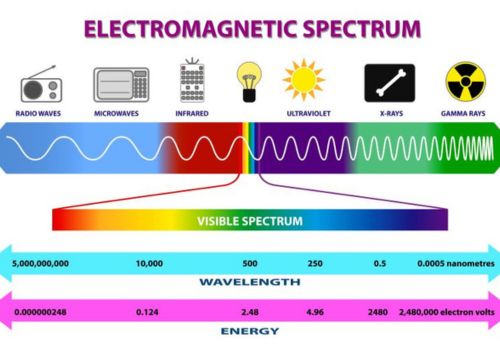
Radio frequency radiation is the electromagnetic energy used for wireless communication. It’s fundamentally different from the 60 Hz electric and magnetic fields from your power system.
Key characteristics:
- Used to transmit information wirelessly
- Measured in volts per meter (V/m) or microwatts per square meter (μW/m²)
- Frequencies range from thousands to billions of cycles per second
- Passes through most building materials
- Tends to pulse and spike rather than remain constant
- Can be blocked or reflected by metal and specialized fabrics
Common Sources of RF Radiation
RF radiation comes from wireless devices:
Inside your home:
- WiFi routers (operating 24/7)
- Cell phones (especially when actively transmitting)
- Cordless phone base stations
- Bluetooth devices (headphones, speakers, keyboards)
- Smart TVs
- Baby monitors
- Wireless security systems
- Smart home devices (Alexa, Google Home, etc.)
Outside your home:
- Cell towers and antennas
- Neighbors’ WiFi networks
- Smart meters on your home
- Broadcast antennas (TV, radio)
Unlike magnetic and electric fields from your electrical system, RF radiation is designed to travel through space carrying information. This is why WiFi works throughout your house and why your cell phone connects to towers miles away.
Why RF Behaves Differently
RF radiation doesn’t follow the same simple distance rules as magnetic and electric fields. While intensity does decrease with distance, it also reflects off surfaces, creating “hot spots” in unexpected places.
Your EMF meter measuring RF will show:
- Sudden spikes when devices transmit data
- Lower readings behind thick walls or metal
- Variable levels throughout the day
- Higher readings near windows (less shielding)
This pulsing, variable nature is why many researchers consider RF radiation particularly concerning—your body never gets a break from the exposure.
Key Differences at a Glance
Here’s a quick comparison of the three types:
| Feature | Magnetic Fields | Electric Fields | RF Radiation |
|---|---|---|---|
| Created By | Current flow | Voltage | Wireless transmitters |
| Exists When | Devices running | Devices plugged in | Devices transmitting |
| Frequency | 60 Hz (US) | 60 Hz (US) | Thousands to billions of Hz |
| Measurement Units | mG or μT | V/m | V/m or μW/m² |
| Shielding | Very difficult | Easy | Moderate |
| Distance Effect | Drops rapidly | Drops rapidly | Drops but reflects |
| Passes Through Walls | Yes | No | Yes |
| Main Sources | Running appliances, power lines | Wiring, plugged-in devices | WiFi, cell phones, towers |
Why Your EMF Meter Needs to Measure All Three
Now you can see why a comprehensive EMF meter must measure all three types separately:
They Come from Different Sources
- Magnetic fields point you to running appliances and current flow
- Electric fields identify voltage issues and wiring problems
- RF radiation locates wireless devices and external antennas
If your meter only measured one type, you’d miss the other two completely.
They Require Different Solutions
What works for one type often doesn’t work for others:
- Magnetic field reduction: Distance, turning devices off, fixing wiring errors
- Electric field reduction: Unplugging devices, shielded cords, grounding
- RF radiation reduction: Switching to wired connections, router shields, distance from transmitters
They Affect the Body Differently
While scientific debate continues about health effects, the three types interact with your body through different mechanisms:
- Magnetic fields: Can induce currents in your body if strong enough
- Electric fields: Your body conducts and absorbs these fields
- RF radiation: Absorbed by tissues, with heating as the primary acknowledged effect
The Building Biology Institute’s SBM-2015 guidelines and other precautionary approaches recommend different exposure limits for each type, reflecting these different interactions.
How Different EMF Meters Measure Each Type
Not all EMF meters measure all three types. Understanding what your meter actually detects is critical:
Basic/Budget Meters
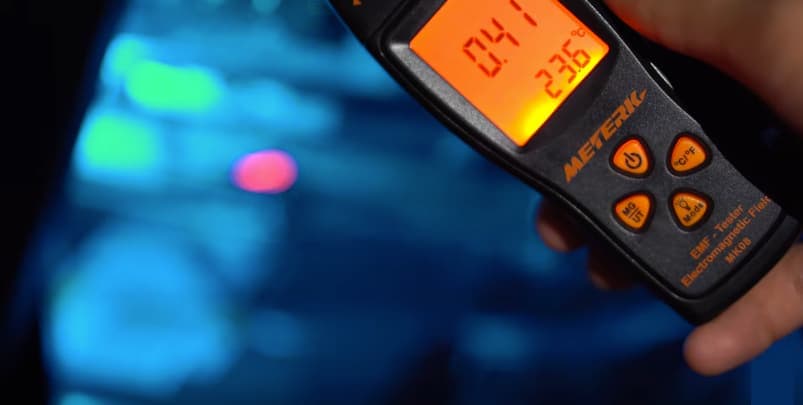
Often only measure magnetic fields (like the K-II meter popular with ghost hunters). These won’t detect electric fields or RF radiation at all.
Mid-Range Meters
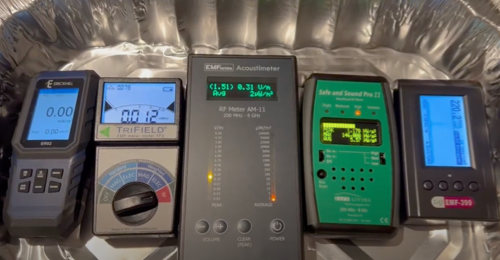
The popular TriField TF2 measures all three types separately, making it ideal for comprehensive home assessment. You switch between modes to measure each type individually.
Advanced/Professional Meters
Specialized meters like the Acoustimeter focus exclusively on RF radiation but provide more detailed frequency analysis. Professional EMF consultants often carry multiple meters to get complete data.
What This Means for You
Before purchasing an EMF meter, know what you want to measure:
- Just checking power lines? A magnetic field meter works
- Concerned about bedroom wiring? You need electric field capability
- Want to measure WiFi and cell towers? You must have RF detection
- Comprehensive home assessment? Get a meter that measures all three
Measuring Each Type: Practical Tips
Here’s how to get accurate readings for each type of electromagnetic field.
Measuring Magnetic Fields
- Take readings with appliances both on and off
- Check near electrical panels, especially at head height if panel is behind bedroom wall
- Test along walls that might have heavy wiring
- Measure where you spend the most time (beds, desks, couches)
- Remember readings drop quickly with distance
Measuring Electric Fields
- Test with items plugged in but turned off
- Unplug items and see if readings drop (confirms the source)
- Check bedside lamps and alarm clocks
- Measure along walls near outlets
- Test electric blankets before use
Measuring RF Radiation
- Take multiple readings as levels fluctuate
- Have someone use WiFi/phones while you measure to see peak levels
- Check all rooms, especially bedrooms
- Measure at different times of day
- Note where readings spike (near windows, certain walls)
Common Misconceptions About the Three Types
Let’s clear up some common confusion about these three types of measurements.
Misconception #1: “EMF” Means Just One Thing
Many people use “EMF” to mean magnetic fields only, but it actually encompasses all three types. When discussing EMF, always specify which type you mean.
Misconception #2: High Magnetic Fields Mean High RF
These are completely independent. You can have high magnetic fields with zero RF (older home with no wireless), or high RF with low magnetic fields (new home with lots of wireless but good wiring).
Misconception #3: Turning Off WiFi Eliminates All EMF
Turning off WiFi eliminates RF radiation from your router, but does nothing for magnetic fields from appliances or electric fields from wiring. You need different strategies for each type.
Misconception #4: One Type Is “Worse” Than Others
Scientific evidence is still developing for all three types. A precautionary approach means minimizing exposure to all three, rather than focusing on just one.
Frequently Asked Questions
Here are answers to common questions about the three types of EMF measurements.
Do I need to measure all three types of EMF?
For a complete assessment of your electromagnetic environment, yes. Each type comes from different sources and requires different reduction strategies. A meter that measures only magnetic fields will miss electric fields and RF radiation entirely. If you’re taking EMF exposure seriously, invest in a meter that measures all three types or use multiple specialized meters.
Which type of EMF is most important to measure?
This depends on your specific concerns and living situation. RF radiation from wireless devices is pervasive in modern homes and many consider it a priority. Magnetic fields matter if you live near power lines or have extensive appliances. Electric fields are often overlooked but can be significant in bedrooms. For comprehensive protection, measure all three.
Can one device emit all three types of EMF?
Yes, though not always at concerning levels. For example, a WiFi router emits RF radiation (its primary function), plus small electric fields from its voltage, and minimal magnetic fields from its current draw. A microwave oven emits strong magnetic fields when running, electric fields when plugged in, and some RF leakage (though shielding should minimize this).
Why can’t phone apps measure all three types?
Smartphone magnetometer sensors can only detect static magnetic fields (like Earth’s magnetic field), not the 60 Hz AC magnetic fields from your electrical system. Phones have no sensors for electric fields and cannot measure RF radiation from external sources. This is why dedicated EMF meters are necessary for accurate assessment.
Do the three types of EMF interact with each other?
At the low frequencies from power systems (60 Hz), electric and magnetic fields exist together but can be measured independently. RF radiation consists of coupled electric and magnetic fields that travel together as waves. However, 60 Hz fields and RF radiation don’t significantly interact—they’re essentially independent phenomena that happen to coexist in your environment.
How do I know which type is causing high readings in my home?
This is why you need a meter that measures each type separately. Take systematic readings in each mode (magnetic, electric, RF) throughout your home. You might discover high magnetic fields in one area, high electric fields in another, and high RF in a third location. Each requires investigation of different potential sources.
Three Types, Three Strategies
Understanding the difference between magnetic fields, electric fields, and RF radiation transforms you from someone who “knows about EMF” to someone who can actually identify and reduce specific exposures in your home.
Remember the key distinctions:
- Magnetic fields = current flow = running devices and wiring
- Electric fields = voltage = plugged-in devices and wiring
- RF radiation = wireless signals = routers, phones, towers
Each requires separate measurement, separate interpretation, and separate reduction strategies. A comprehensive EMF assessment isn’t complete without measuring all three.
Start by identifying which types are elevated in areas where you spend the most time. Then apply the appropriate reduction techniques for each type. Over time, these targeted improvements can significantly reduce your total daily EMF exposure.
The most important first step is getting an EMF meter that actually measures what you’re concerned about. Now that you understand the three types, you can choose the right tool for complete assessment of your electromagnetic environment.