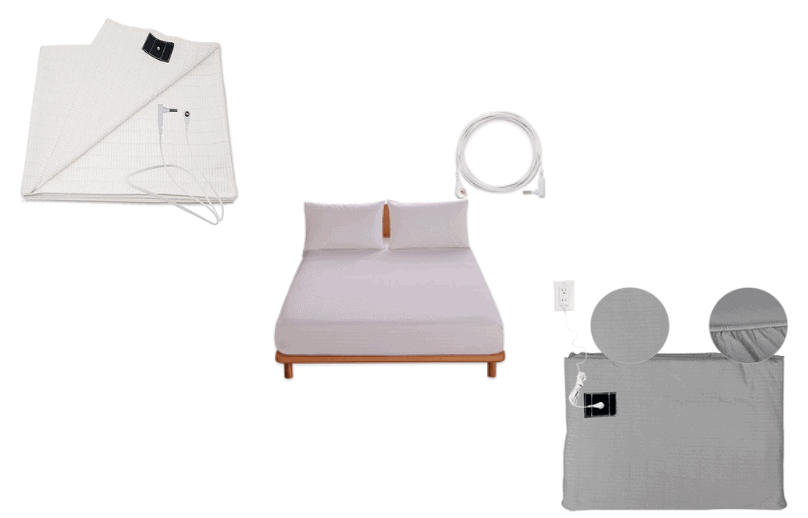
For years, families have been asking me whether EMF-shielding beds actually work or if they’re just expensive marketing gimmicks. As someone who’s tested countless EMF protection products over the past eight years, I understand the skepticism. The good news is that we finally have peer-reviewed research that provides some compelling answers.
A groundbreaking study published in Environmental Health has documented measurable biological changes in people who slept in beds designed to block electromagnetic fields. The results were significant enough that they’ve changed how I think about bedroom EMF protection and what’s possible when we create truly low-EMF sleep environments. For families interested in the broader research on this topic, I’ve also covered detailed studies on electromagnetic fields and sleep that provide additional context.
Let me walk you through what this research found and what it means for you when considering EMF protection for their bedrooms.
The Landmark EMF-Shielding Bed Study
The most comprehensive research on EMF-shielding beds comes from a controlled study published in Environmental Health that examined what happens when people sleep in beds designed to isolate and drain electromagnetic fields. This wasn’t a small preliminary study – it involved 43 participants across two separate cohorts and measured actual hormone levels in blood samples.
The research team used a specialized bed system called HOGO that incorporates natural materials with electromagnetic field isolation and drainage properties. Before using these beds, researchers measured EMF levels in bedrooms at 990±270 mV. After installing the shielding system, levels dropped to just 35±10 mV – a dramatic reduction that brought readings into ranges considered safe by building biology standards.
This study is particularly valuable because it measured objective biological markers rather than relying solely on subjective reports of how people felt. Blood samples were analyzed for multiple hormones related to sleep quality, stress response, and overall health both before and after two months of sleeping in the EMF-shielded beds.
Remarkable Hormonal Changes After EMF Protection
The results were striking. After two months of sleeping in EMF-shielded beds, participants showed significant improvements in several key hormones that regulate sleep and stress response.
Sleep-Related Hormone Improvements
Research showed that participants experienced significant increases in several hormones crucial for quality sleep. Melatonin levels increased substantially, which is particularly important since melatonin regulates our circadian rhythms and sleep-wake cycles. The study also found increased levels of serotonin, often called the “happiness hormone,” which plays a role in mood regulation and sleep quality.
Perhaps most interesting was the increase in oxytocin, sometimes called the “bonding hormone.” While oxytocin is best known for its role in social connections, research has shown it also promotes relaxation and better sleep quality.
Stress Response Improvements
The study documented significant improvements in stress-related hormones that directly impact sleep quality. Participants showed increased levels of DHEA (dehydroepiandrosterone), which helps the body manage stress and maintain energy levels. They also had improved cortisol/DHEA ratios, indicating better stress response and recovery.
Testosterone levels increased in male participants, while the testosterone/cortisol ratio improved significantly. These changes suggest that EMF-shielded sleep environments may help the body’s natural hormone production and stress management systems function more effectively.
Measurable Anti-Aging Effects
One of the most remarkable findings was that participants’ biological age actually decreased after sleeping in EMF-shielded beds for two months. Using the Immunity Clock model to assess biological aging, researchers found that all participants who slept on the EMF-protected beds showed measurable rejuvenation in their rate of aging.
This suggests that reducing nighttime EMF exposure may have broader health benefits beyond just sleep improvement. The placebo group, sleeping on regular beds, showed no such changes in any measured parameters.
How EMF-Shielding Beds Work
Understanding the research requires knowing how EMF-shielding beds actually function. These systems don’t just block electromagnetic fields – they create what’s essentially a low-EMF environment around your sleeping area.
Creating a Faraday Cage Effect
Most EMF-shielding beds use conductive materials woven into fabrics or integrated into the bed structure itself. These materials, often containing silver or copper fibers, create what’s known as a Faraday cage effect around the sleeping area. This blocks external electromagnetic fields from penetrating the protected space.
Bed canopies with EMF shielding work on this same principle, surrounding the bed with shielding fabric that reflects electromagnetic radiation away from the sleeping area. These protective coverings can create a shielded zone similar to what was achieved in the research study.
Reducing Multiple EMF Sources
The study’s EMF-shielding beds protected against both low-frequency electromagnetic fields (from electrical wiring and appliances) and radiofrequency radiation (from WiFi, cell phones, and wireless devices). This comprehensive approach appears to be key to achieving the hormonal improvements documented in the research.
The dramatic reduction in measured EMF levels – from 990 mV to 35 mV – demonstrates that properly designed shielding systems can create genuinely low-EMF sleep environments even in electromagnetically noisy modern homes.
What This Research Means for Sleep Quality
The hormonal changes documented in this study help explain why many people report improved sleep when they reduce EMF exposure in bedrooms. The research provides biological mechanisms for these observations.
Melatonin Production Optimization
The increase in melatonin levels among study participants is particularly significant. Melatonin is our primary sleep hormone, and research has shown that EMF exposure can disrupt its production. By creating an EMF-free sleep environment, these beds appear to allow natural melatonin production to function more effectively.
This could explain why parents often report that children fall asleep more easily and sleep more soundly when EMF sources are removed from bedrooms. The research suggests this isn’t just placebo effect – there are measurable biological changes happening when EMF exposure is reduced during sleep.
Stress Reduction During Sleep
The improvements in stress-related hormones suggest that EMF exposure during sleep may place a subtle but measurable stress on the body’s systems. When this stress is removed through EMF shielding, the body appears to shift into a more restorative state during sleep.
The better cortisol/DHEA ratios and improved testosterone levels indicate that participants’ bodies were better able to recover and regenerate during the night. This could translate into better energy levels, improved immune function, and overall better health outcomes.
Limitations and Considerations
While this research is encouraging, it’s important to understand its limitations and what questions remain unanswered. This is preliminary research from a single study that hasn’t yet been independently replicated by other research teams.
Study Funding and Independence
It’s important to note that this study was funded by ORIGINBEDS S.L., the company that manufactures HOGO beds. While the research was published in a peer-reviewed journal and included placebo controls, this funding relationship means the findings should be interpreted cautiously until independent researchers replicate the results.
Study Size and Duration
The study involved 43 participants total across two cohorts, which is relatively small for hormone research. While the results were statistically significant, larger studies would help confirm these findings and determine how consistently people respond to EMF-shielded sleep environments.
The two-month duration provided enough time to see hormonal changes, but longer studies would help determine whether these benefits continue over time or if the body adapts to the reduced EMF environment.
Cost and Practicality Considerations
The research used a specialized bed system that may not be practical or affordable for everyone. However, the principles demonstrated that creating low-EMF sleep environments through shielding can be achieved through other means like protective canopies or comprehensive bedroom EMF reduction strategies.
The key appears to be achieving significant EMF reduction rather than using any specific product or system. Families can potentially achieve similar benefits through various approaches to creating low-EMF sleep environments.
Individual Variation
The study didn’t examine whether certain individuals respond better to EMF shielding than others. Clinical experience suggests that people with electromagnetic sensitivity may see more dramatic improvements, while others might experience subtler changes.
Factors like age, health status, baseline EMF exposure levels, and genetic variations in EMF sensitivity could all influence how much benefit someone experiences from EMF-shielded sleep environments.
Practical Applications for Families
This research provides scientific backing for people considering EMF protection in bedrooms. The documented biological changes suggest that reducing nighttime EMF exposure can provide real health benefits beyond just subjective sleep improvements.
Implementing EMF Protection Strategies
Families don’t necessarily need specialized EMF-shielding beds to achieve benefits. Practical bedroom EMF reduction strategies can include turning off WiFi at night, removing electronic devices from sleeping areas, and using EMF meters to identify and address high-exposure areas.
For those seeking more comprehensive protection, shielding canopies offer a practical way to create protected sleep environments similar to those used in the research. These systems can reduce both radiofrequency radiation and low-frequency electromagnetic fields around the bed while providing proven advantages for sleep and wellness.
Monitoring and Measuring Results
The research used professional EMF meters to document exposure reduction and blood tests to measure biological changes. While you may not have access to hormone testing, you can use EMF meters to verify that your protection strategies are actually reducing electromagnetic field exposure.
Many people also track subjective improvements in sleep quality, energy levels, and overall wellbeing when implementing EMF reduction strategies. The research suggests these subjective reports may reflect real biological improvements.
Prioritizing Sleep Environment Protection
Given that we spend approximately one-third of our lives sleeping, the research supports prioritizing the bedroom as the most important area for EMF protection. During sleep, our bodies are focused on repair and regeneration processes that appear to function better in low-EMF environments.
This approach aligns with building biology principles that emphasize creating EMF-free sleeping areas as a foundation for healthy homes. The hormonal improvements documented in the research provide biological justification for this prioritization.
Understanding the Broader Implications
This research on EMF-shielding beds contributes to a growing body of evidence about the biological effects of electromagnetic field exposure and the potential benefits of EMF reduction.
Electromagnetic Fields as Environmental Stressors
The study’s findings support the idea that electromagnetic fields may act as subtle environmental stressors that affect our bodies’ natural processes. The hormonal improvements seen when EMF exposure was reduced suggest that these fields may interfere with normal physiological function.
This concept helps explain why some people report feeling better when they reduce EMF exposure in their homes. The research provides biological mechanisms for these experiences rather than dismissing them as purely psychological.
Sleep as Foundation for Health
The documented improvements in hormones related to sleep, stress response, and aging reinforce the critical importance of quality sleep for overall health. If electromagnetic fields are indeed interfering with natural sleep processes, then protecting the sleep environment becomes a key health strategy.
The anti-aging effects observed in the study are particularly intriguing, suggesting that EMF reduction during sleep may have benefits beyond just better rest. This could have implications for long-term health and disease prevention.
Future Research Directions
This research opens several important questions that future studies could address to better understand the relationship between EMF exposure and sleep quality.
Dose-Response Relationships
Future research could examine how much EMF reduction is necessary to achieve biological benefits. The study achieved dramatic EMF reduction, but it’s unclear whether smaller reductions might provide proportional benefits or if there’s a threshold effect.
Understanding dose-response relationships would help families prioritize their EMF reduction efforts and determine whether partial protection strategies are worthwhile or if comprehensive shielding is necessary.
Long-Term Effects and Adaptation
Longer-term studies could determine whether the hormonal improvements persist over months or years of EMF-shielded sleep. It’s also important to understand whether people maintain these benefits or if the body adapts to reduced EMF exposure over time.
Research could also examine whether intermittent use of EMF protection provides benefits or if consistent use is necessary to maintain hormonal improvements.
Population Studies and Individual Variation
Larger studies including diverse populations could help identify factors that predict who will benefit most from EMF-shielded sleep environments. This could include genetic factors, baseline health status, electromagnetic sensitivity, and other variables.
Understanding individual variation would help healthcare providers and families make more informed decisions about whether EMF protection strategies are likely to provide meaningful benefits.
Making Informed Decisions About EMF-Shielding Beds
The research provides compelling evidence that EMF-shielding beds can produce measurable biological benefits. However, families should consider several factors when deciding whether this approach makes sense for their situation.
Evaluating Cost-Benefit Considerations
Specialized EMF-shielding bed systems can be expensive, and families should weigh the documented benefits against the costs and practical considerations. The research shows that significant EMF reduction can provide real health benefits, but there may be more affordable ways to achieve similar protection.
Starting with comprehensive bedroom EMF reduction strategies and protective canopies might provide a cost-effective way to test whether EMF protection benefits your family before investing in more expensive solutions. These approaches can often achieve significant EMF reduction similar to what was documented in the research study.
Realistic Expectations
While the research documented significant hormonal improvements, these changes developed over two months of consistent use. Families should have realistic expectations about timelines and understand that benefits may be subtle initially.
The biological changes measured in the study may translate into improvements in sleep quality, energy levels, and overall wellbeing, but individual responses will vary based on multiple factors including baseline health and EMF sensitivity.
Comprehensive Approach to Sleep Health
EMF protection should be considered as part of a comprehensive approach to sleep health that also includes good sleep hygiene, stress management, and addressing other environmental factors that affect rest. The research suggests EMF reduction can be a valuable component of optimal sleep environments, but it’s not a magic solution for all sleep problems.
The Bottom Line on EMF-Shielding Bed Research
This peer-reviewed research provides the strongest scientific evidence to date that EMF-shielding beds can produce measurable biological benefits. The documented improvements in sleep-related hormones, stress response, and biological aging markers offer compelling support for families considering EMF protection in bedrooms.
The study demonstrates that creating genuinely low-EMF sleep environments can lead to objective improvements in how our bodies function during rest and recovery. These aren’t just subjective improvements in how people feel – they’re measurable changes in hormone levels that regulate some of our most fundamental biological processes.
For families who have noticed improvements in sleep quality when reducing EMF exposure, this research provides scientific validation for those experiences. It suggests that the benefits many people report from EMF reduction strategies have real biological foundations.
While specialized EMF-shielding bed systems may not be practical for every family, the research supports the broader principle of creating low-EMF sleep environments through various means. Whether through comprehensive bedroom EMF reduction, protective canopies, or other protection strategies, the goal is achieving significant reduction in electromagnetic field exposure during the critical hours when our bodies repair and regenerate.
This research represents an important step forward in understanding how electromagnetic fields affect human health and provides families with scientific evidence to guide their decisions about EMF protection in the home.
About the Author
I’m the founder of EMF Protection Pros. I’m not a scientist or engineer—I’m a concerned parent who became passionate about EMF protection after expecting my first child. My family’s health improvements motivated me to help others navigate this complex topic. Over 8 years, I’ve invested thousands of hours testing products, reading research, and helping families make informed decisions. I earn commissions from products I recommend, but I only suggest what I genuinely believe works based on available evidence.
Medical Disclaimer
The information provided in this article is for educational and informational purposes only and is not intended as medical advice. EMF Protection Pros does not provide medical advice, diagnosis, or treatment recommendations. Always consult with a qualified healthcare provider before making any changes to your health regimen or if you have concerns about electromagnetic field exposure and your health. Individual results may vary, and this information is shared based on personal research and experience only.