If you’re new to the world of EMFs, it’s easy to feel overwhelmed. There’s a lot of conflicting information out there, some of it helpful, some of it hype. This guide cuts through the noise and gives you a clear, logical path to understanding electromagnetic fields, measuring your exposure, and protecting yourself and your family.
Whether you’ve just heard about EMFs for the first time or you’re trying to fill in the gaps in your knowledge, this is the place to start.
What Are EMFs?
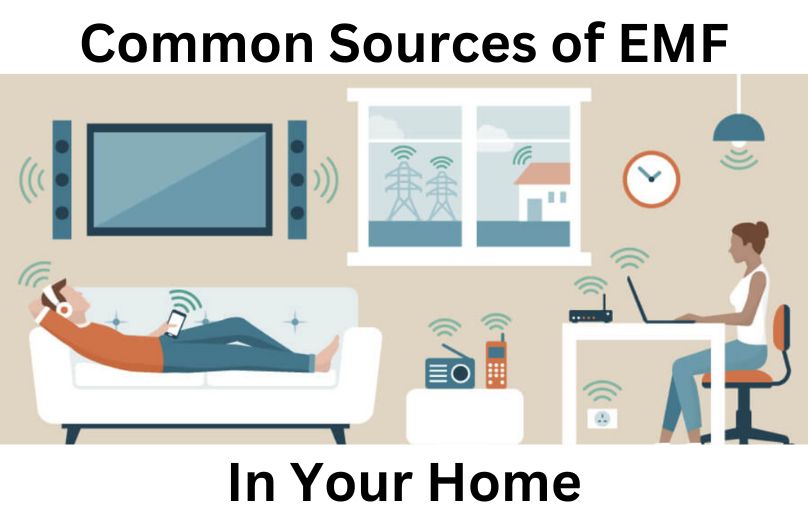
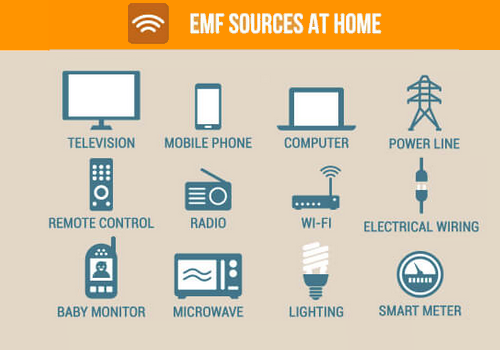
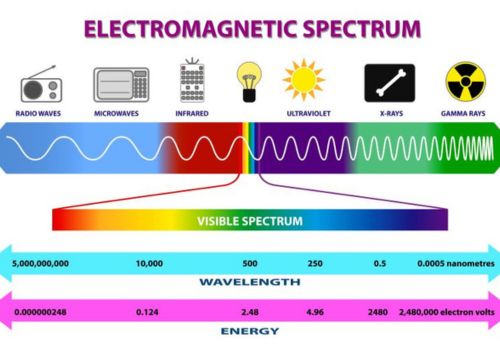
EMF stands for electromagnetic field. These are invisible areas of energy produced by electrically charged objects, everything from the sun to your cell phone. EMFs exist on a spectrum, ranging from extremely low frequency (ELF) fields produced by power lines and household wiring to the high frequency radio waves used by WiFi, Bluetooth, and cellular networks.
While EMFs have always been part of our environment (the earth itself has a magnetic field), the explosion of wireless technology over the past two decades means we’re now exposed to levels our ancestors never experienced. Our full guide on EMF radiation and how it affects your health goes deeper into the science if you want to understand exactly what you’re dealing with.
Types of EMF Radiation
Not all EMFs are the same. When we talk about EMF protection, we’re typically dealing with four main types:
Radio Frequency (RF) Radiation
This is the type most people think of first. RF radiation comes from wireless devices like cell phones, WiFi routers, Bluetooth gadgets, smart meters, and cell towers. It’s the fastest growing source of EMF exposure in modern life, and it’s virtually everywhere.
Magnetic Fields
Magnetic fields are produced by the flow of electrical current. Common sources include power lines, electrical panels, motors, appliances, and faulty wiring. Unlike RF, magnetic fields drop off quickly with distance, but they can penetrate walls and most materials.
Electric Fields
Electric fields exist wherever there’s voltage, even if no current is flowing. The wiring in your walls, extension cords, and lamps all produce electric fields. These are often strongest in bedrooms, where wiring runs through walls near your bed.
Dirty Electricity
Dirty electricity refers to high frequency voltage transients that ride on your home’s electrical wiring. It’s caused by modern electronics, dimmer switches, LED bulbs, and solar inverters. Many people overlook this type of EMF, but it can be a significant contributor to overall exposure. Our guide to dirty electricity filters that actually work covers how to address this hidden source.
Why EMF Protection Matters
The debate around EMF safety is ongoing, but a growing body of research suggests that chronic exposure to electromagnetic fields may have biological effects. The World Health Organization classified RF radiation as a “possible human carcinogen” back in 2011, and since then, our exposure has only increased.
Reported symptoms of EMF sensitivity include headaches, fatigue, difficulty sleeping, brain fog, and irritability. Whether or not you experience these, reducing unnecessary exposure is a reasonable precaution, especially in the places where you spend the most time, like your home and bedroom.
The goal isn’t to eliminate all EMFs (that’s impossible in modern life) but to reduce exposure where it matters most and make informed choices about the technology you use.
How to Detect EMFs in Your Home
You can’t manage what you can’t measure. Before investing in any protection products, it’s worth understanding where your actual exposure is coming from.
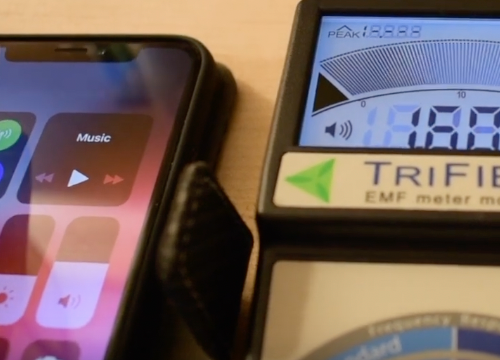
An EMF meter is a handheld device that measures electromagnetic fields in your environment. Different meters measure different types of EMFs, some focus on RF radiation, others on magnetic or electric fields, and some measure all three. Our EMF meter buying guide breaks down exactly what to look for and which models deliver reliable results at different price points. For most people starting out, a combination meter that covers RF, magnetic, and electric fields is the best choice.
Once you have a meter, you can walk through your home and identify the hot spots: your WiFi router, smart meter, bedroom wiring, appliances, and devices you’d never suspect. This information lets you prioritize your efforts and verify that any changes you make are actually working. For step by step instructions, see our guide on testing your home for EMFs.
How to Reduce EMF Exposure
The most effective EMF protection doesn’t require buying anything. It’s about changing habits and rearranging your environment. Here are the core principles:
Increase Distance
EMF exposure drops dramatically with distance. Moving your WiFi router to a far corner of the house, keeping your phone out of your pocket, and positioning your bed away from electrical panels can make a significant difference.
Reduce Time
The less time you spend near a source, the lower your cumulative exposure. Use speakerphone or air tube headphones instead of holding your phone to your head. Turn off WiFi at night. Limit screen time when possible.
Eliminate Unnecessary Sources
Do you really need a smart TV in the bedroom? A Bluetooth speaker on your nightstand? An always on baby monitor? Audit your devices and remove or disable the ones that aren’t essential.
Shield When Necessary
For sources you can’t eliminate or move, like a neighbor’s WiFi, a nearby cell tower, or your utility’s smart meter, shielding products can help reduce exposure. But shielding should come after you’ve addressed the basics, not before.
Our room by room guide to reducing EMFs walks you through practical changes you can make throughout your home.
EMF Protection Products That Actually Work
Once you’ve measured your exposure and made the easy changes, there are products that can help reduce what remains. Here’s a quick overview of the main categories:
EMF Meters
Essential for detection. You need to know what you’re dealing with before you can fix it. See our top rated EMF detectors.
Faraday Bags
These signal blocking pouches stop all RF radiation from entering or leaving. Great for phones, key fobs, and laptops when you want complete disconnection. See our top Faraday bag picks.
EMF Bed Canopies
Your bedroom is the most important room to protect. You spend a third of your life there, and sleep is when your body repairs itself. Our guide to shielding canopies for better sleep covers what to look for and which ones we recommend.
Grounding Sheets
Grounding (or earthing) helps neutralize the voltage built up in your body from daily EMF exposure. Our earthing sheet recommendations cover the best options for grounding while you sleep.
Air Tube Headphones
Standard wired headphones can conduct radiation up to your head. Air tube headphones use a hollow tube for the final stretch, keeping electronics away from your brain. See our radiation free headphone guide.
Dirty Electricity Filters
These plug into your outlets and filter out the high frequency noise riding on your wiring. Often one of the most cost effective ways to reduce a hidden source of exposure. See our filter comparison and reviews.
EMF Protection Clothing
For those who want protection on the go, near cell towers, at work, or when traveling. Our HAVN clothing review covers why they’re our top pick.
EMF Protection Necklaces
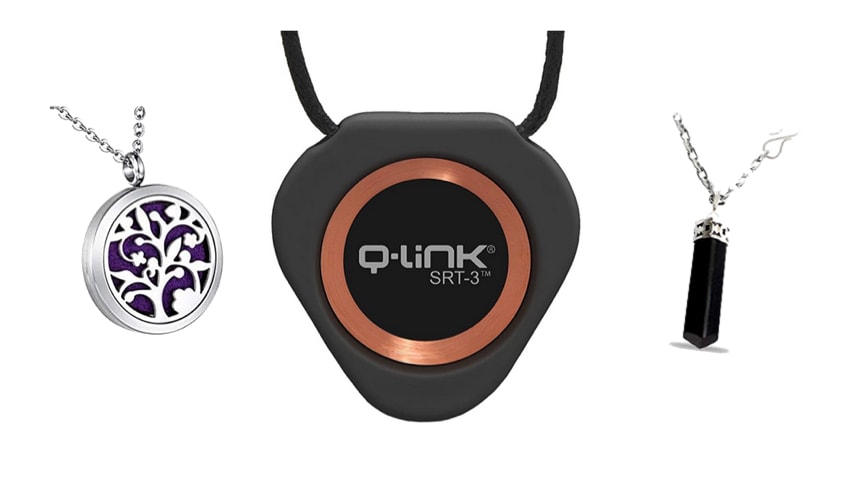
Wearable protection you can put on and forget about. We’ve tested the options to separate real protection from marketing claims. See our EMF necklace reviews.
Getting Started: Your Action Plan
Feeling ready to take action? Here’s a simple path forward:
Step 1: Educate Yourself You’re already doing this. Keep reading, and check out our article on EMF radiation basics to understand the fundamentals.
Step 2: Measure Your Exposure Get an EMF meter and test your home. Identify your highest exposure areas, especially your bedroom, home office, and anywhere you spend significant time.
Step 3: Make Free Changes First Increase distance from sources. Turn off WiFi at night. Move your bed away from the electrical panel. Remove unnecessary wireless devices from the bedroom. These changes cost nothing and often have the biggest impact.
Step 4: Address Problem Areas Based on your meter readings, target the remaining hot spots. This might mean adding dirty electricity filters, using a router guard, or investing in a bed canopy.
Step 5: Protect On the Go Consider air tube headphones, a Faraday bag for your phone, or EMF protection clothing if you’re regularly exposed outside the home.
Where to Go From Here
EMF protection isn’t about living in fear of technology. It’s about being informed and making practical choices that work for your life. We’re surrounded by wireless signals, and that’s not changing anytime soon. But you have more control than you might think.
Start with the basics. Measure before you buy. Focus on the bedroom first. And remember that the simplest changes, like distance and turning things off, are often the most effective.
Take it one step at a time, and you’ll be surprised how much you can reduce your exposure without overhauling your entire life.